Most dogs will never step foot in a conformation ring. They will never earn a title, run an agility course, or compete in herding. They will do something far more important — they will be someone's companion for the next 12 to 15 years.
And that is exactly why the decisions made before a puppy is born matter so much.
If you have ever wondered why responsible breeders put so much effort into health testing, titling, and temperament evaluation when most of their puppies go to pet homes, this post is for you.
Health Is Not Just About Looks
When we talk about health testing in breeding, we are not talking about a basic vet check. We are talking about standardized screenings through organizations like the Orthopedic Foundation for Animals (OFA) that evaluate hips, elbows, eyes, and cardiac health. We are talking about comprehensive genetic panels that screen for conditions like MDR1 drug sensitivity, hereditary cataracts (HSF4), Collie Eye Anomaly (CEA), and Progressive Retinal Atrophy (PRA).
These conditions do not care whether your dog is a show prospect or a couch potato. A dog with hip dysplasia will struggle to get up from lying down whether it lives in a show kennel or your living room. A dog that carries two copies of the MDR1 mutation can have a life-threatening reaction to common medications regardless of whether it has ever worn a show lead.

Health testing is not a luxury for competition dogs. It is the baseline for producing puppies that have the best chance at a long, comfortable life. At Queen City Farm, every dog in our program is tested through OFA for hips and elbows, eye-certified by a board-certified veterinary ophthalmologist (CAER), and fully paneled through Embark and UC Davis for breed-relevant genetic conditions. We do not breed a dog until we know what they carry.
Temperament Is Genetic
Structure and health get a lot of attention in breeding conversations, and rightly so. But temperament is what you live with every single day. A dog with perfect conformation but a nervous, reactive, or unstable temperament is not a good companion for anyone.
Temperament is highly heritable. The confidence, resilience, sociability, and adaptability that make a dog easy to live with are traits that can be selected for — or, if breeders are not paying attention, selected against.
This is why responsible breeders evaluate temperament just as seriously as they evaluate structure. We look for dogs that are confident without being pushy, engaged without being frantic, and calm without being dull. These are the dogs that thrive in family homes, adapt to new environments, and handle life's surprises without falling apart.
Predictability Protects Both You and the Dog
One of the biggest advantages of buying from a responsible breeder is predictability. When both parents have been health tested, titled, and evaluated for temperament, you have a much clearer picture of what your puppy will grow up to be.
You can expect a certain size range, coat type, energy level, and behavioral tendency. You know the parents are free of certain genetic conditions. You know the breeder has invested time and resources into proving that these dogs are worth reproducing.
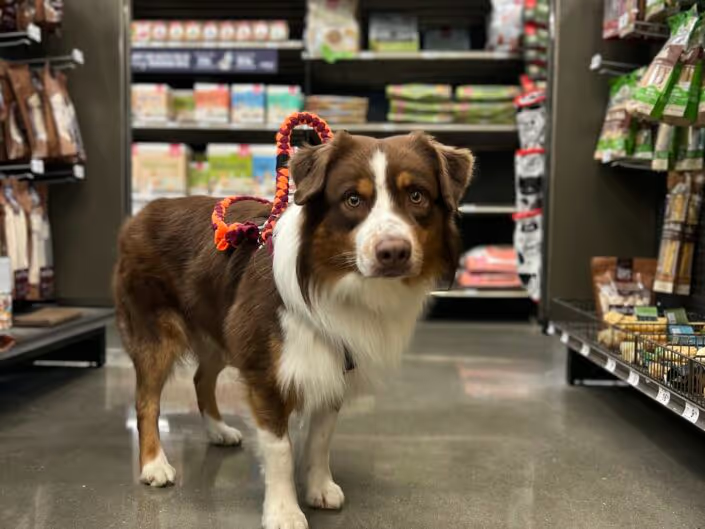
That predictability matters enormously. It means fewer surprises at the vet, fewer behavioral challenges, and a dog that fits your lifestyle because they were bred to. It also means fewer dogs surrendered to shelters because they grew into something their owners were not prepared for.
Early Puppy Raising Makes a Lifelong Difference
A responsible breeder's job does not end at producing healthy, well-structured puppies. How those puppies are raised in their first eight weeks shapes who they become for the rest of their lives.

At Queen City Farm, every puppy goes through Early Neurological Stimulation and Early Scent Imprinting starting in the first days of life. As they grow, they are exposed to a wide variety of surfaces, sounds, objects, and experiences. They meet new people. They learn to recover from mild startle. They begin the foundations of crate training, potty habits, and basic manners.
By the time a puppy goes home at eight weeks, they have already had hundreds of positive experiences that build resilience and confidence. That head start is something you simply cannot replicate later, and it is something that sets responsibly bred puppies apart from the very beginning.
Ethical Breeders Are a Lifelong Resource
When you buy from a responsible breeder, you are not just buying a puppy. You are gaining a mentor, a resource, and a safety net for the life of that dog.
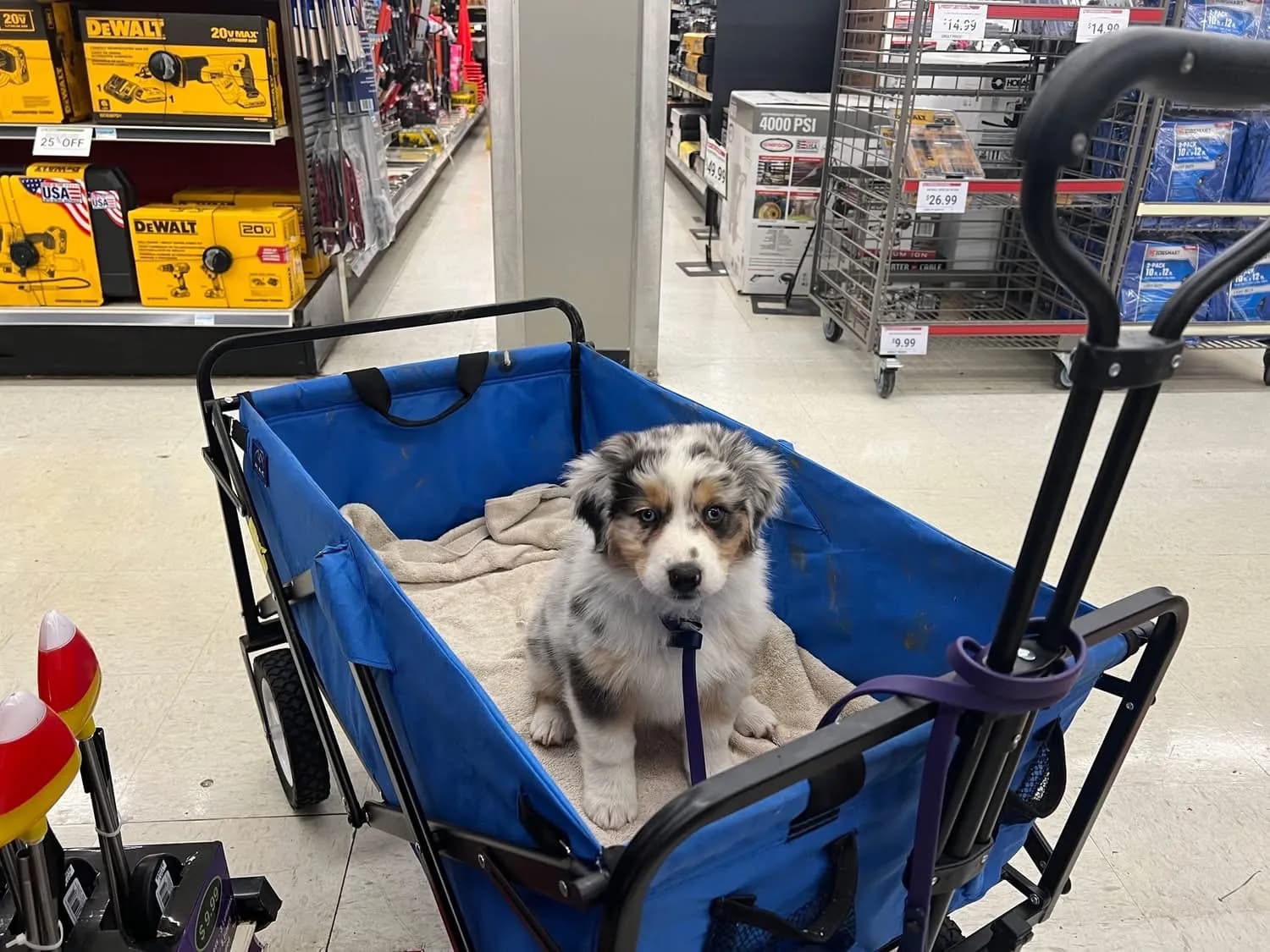
At Queen City Farm, we are available to our puppy families for the life of every dog we produce. Training questions at 6 months, health concerns at 5 years, dietary changes at 10 — we are here for all of it. And if life circumstances change and a family can no longer keep their dog, that dog comes back to us. No exceptions.
That commitment is what separates responsible breeders from people who simply produce puppies. We stand behind every dog we bring into this world because we chose to bring them here.
"Just a Pet" Deserves Just as Much Care
The phrase "just a pet" implies that companion dogs deserve less than dogs destined for competition or work. We strongly disagree. Your pet is the dog that sleeps in your bed, greets your children at the door, and walks beside you through some of the best and hardest years of your life. That dog deserves every bit of care that went into planning them.
Responsible breeding is not about producing show dogs. It is about producing healthy, stable, well-raised dogs that are set up to succeed in whatever role they fill — whether that is earning titles in the ring, working as a service dog, or simply being the best family dog you have ever had.
Frequently Asked Questions
Why are responsibly bred puppies more expensive than other options?
The cost reflects years of investment in health testing, titling, quality nutrition, veterinary care, and the breeder's time and expertise in raising puppies properly. Health testing alone can cost thousands of dollars per Australian Shepherd in the breeding program. The price of a well-bred puppy is a fraction of the potential cost of treating genetic health conditions in a poorly bred dog.
Can I find a good pet without going through a show breeder?
Reputable breeders come in many forms, including those focused on performance, working ability, or companion temperament. The key is that they health test, evaluate their Australian Shepherds against some objective standard, raise puppies with intentional socialization, and stand behind their dogs for life.
What if I want to adopt instead of buying from a breeder?
Adoption is a wonderful choice, and we support rescue wholeheartedly. The decision between adopting and purchasing from a responsible breeder is personal and depends on your circumstances. What we advocate against is supporting breeders who do not health test, do not title or evaluate their dogs, and do not stand behind the puppies they produce.
How do I verify a breeder's health testing claims?
Ask for OFA numbers and look them up on the OFA database at ofa.org. Ask for copies of genetic test results from Embark, UC Davis, or Paw Print Genetics. A responsible breeder will provide this information freely and be happy that you asked.