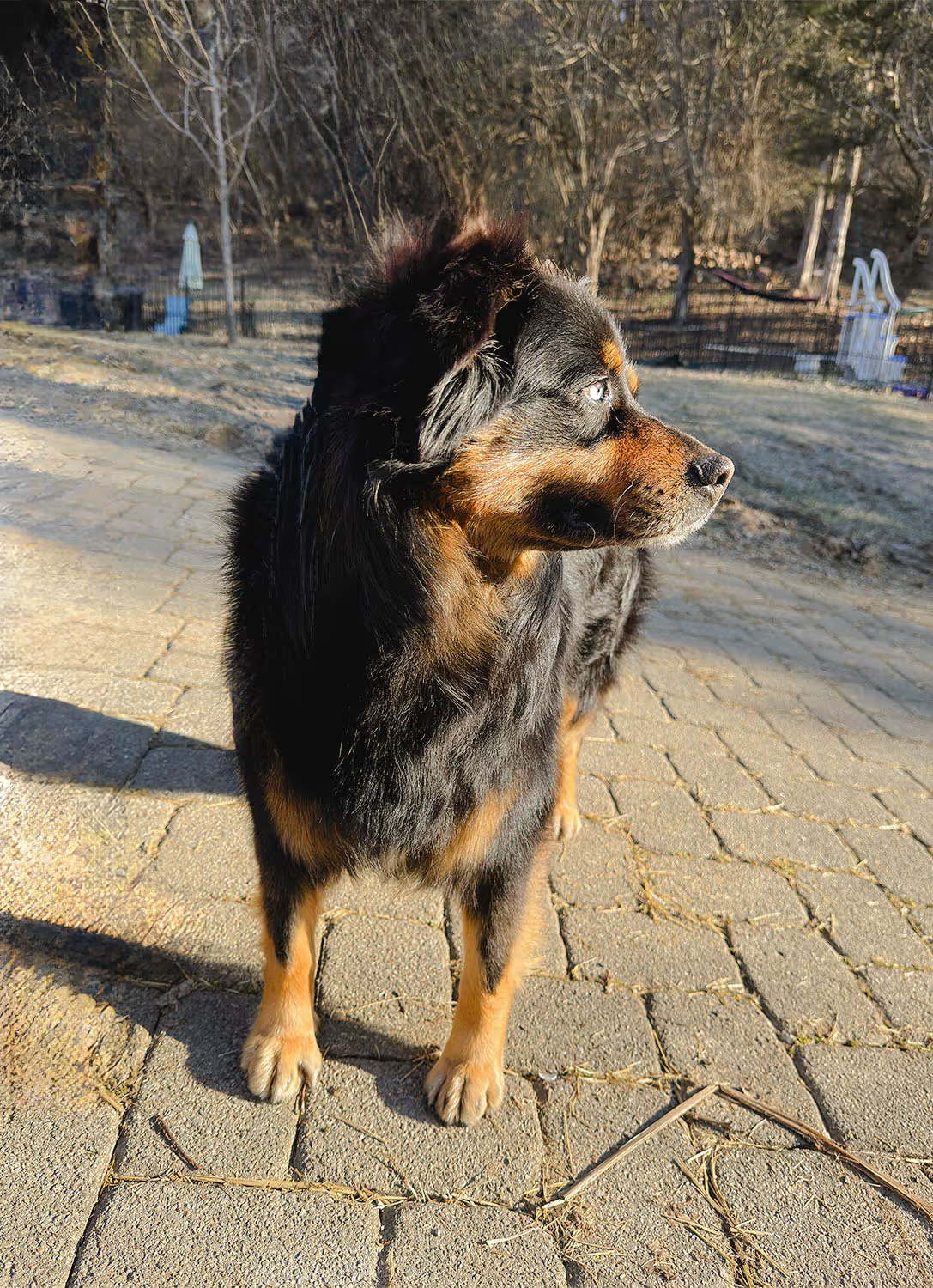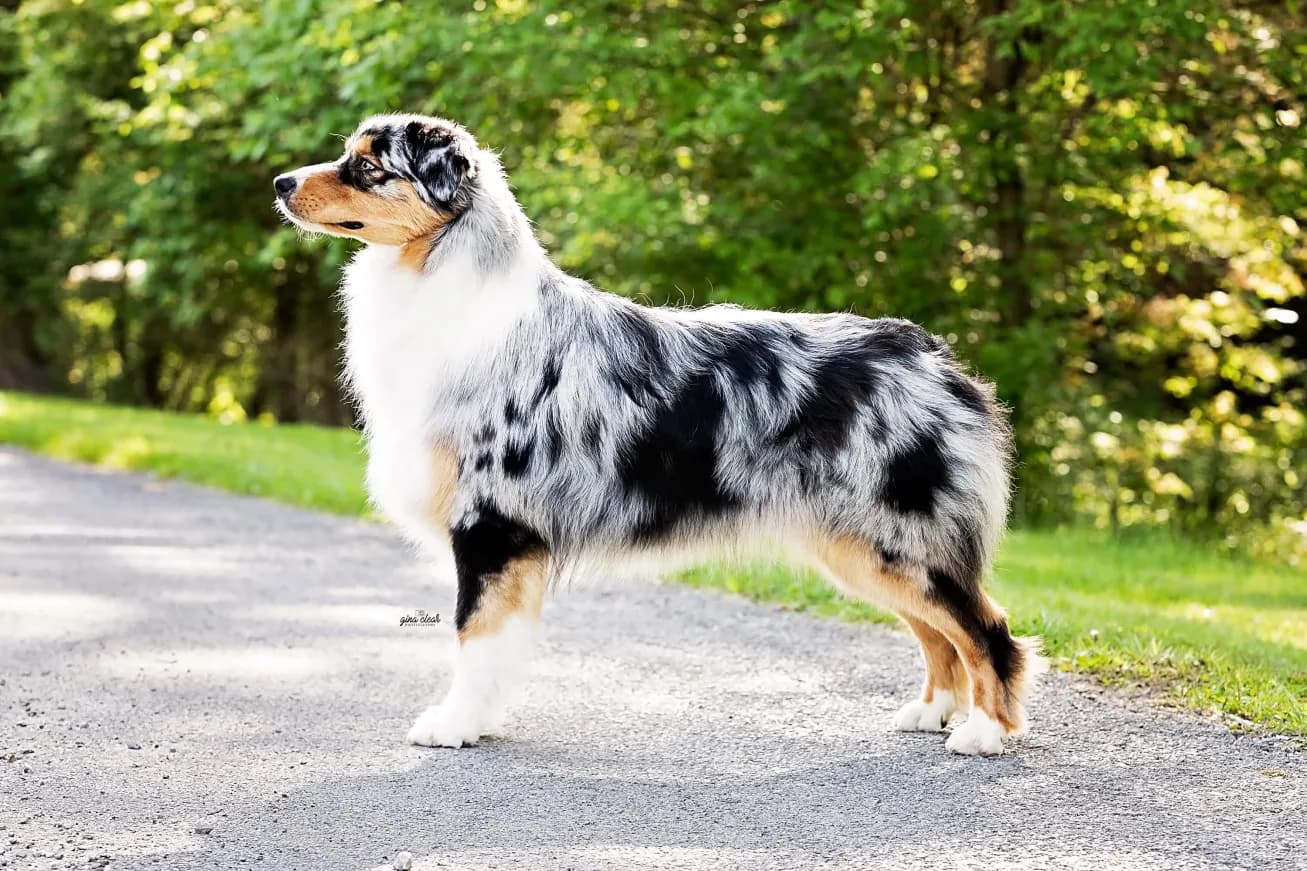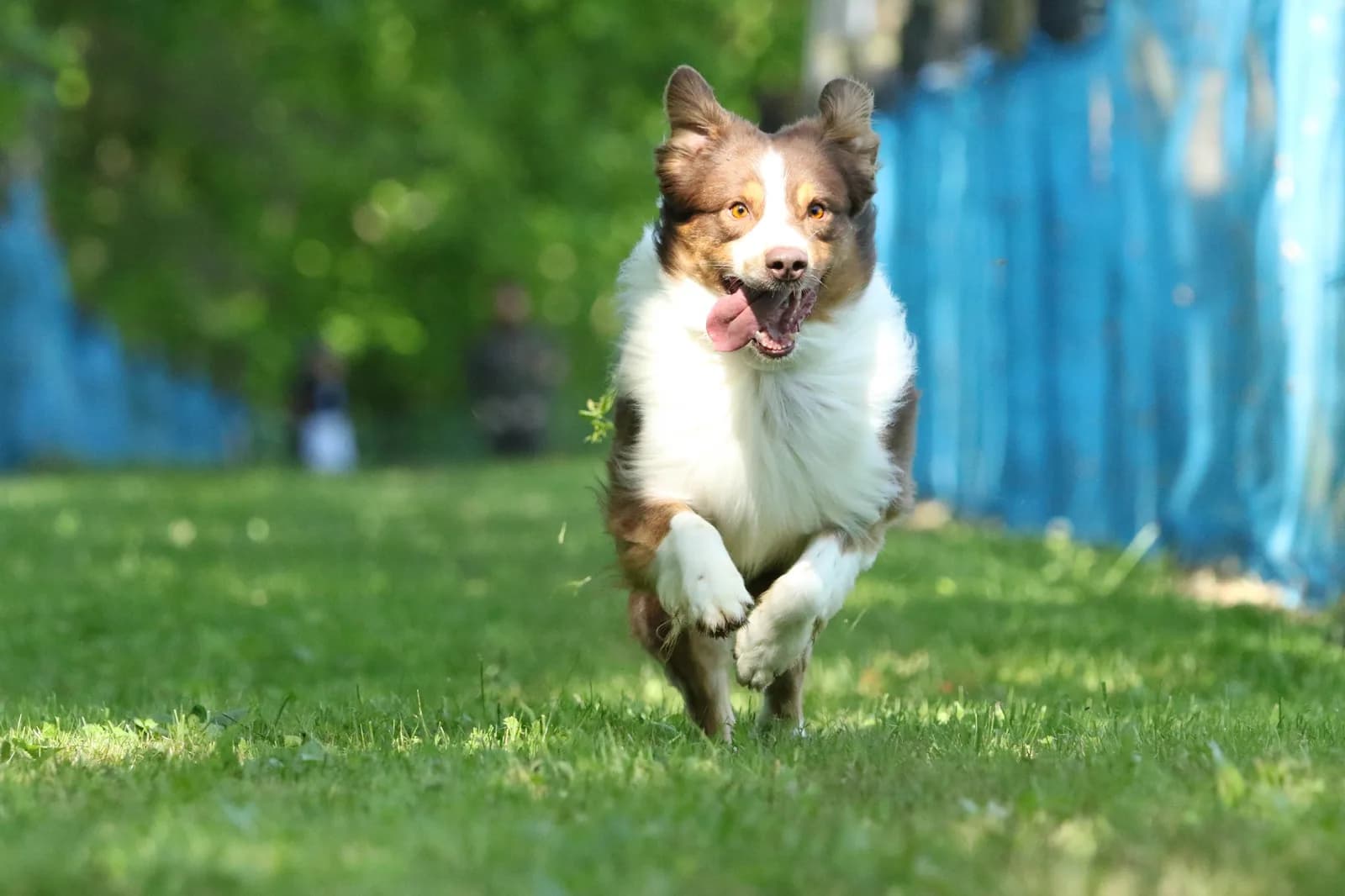
Ask ten people what an Australian Shepherd was bred for and you will get ten different answers — and at least one will guess "Australia." The truth is more interesting than the name lets on, and understanding it explains almost everything about how these dogs behave today.
First Things First: They Are Not From Australia
It is the great irony of the breed: the Australian Shepherd is an American dog. The breed as we know it was developed in the western United States, not Australia. The name traces back to the Basque shepherds who came to the American West in the 1800s, many of them by way of Australia, bringing their herding dogs and flocks of Australian sheep along. Ranchers associated the dogs with those "Australian" sheep, the name stuck, and a thoroughly American breed ended up with a misleading label.
Bred to Work Stock in the American West
What the Australian Shepherd was actually bred for is right there in the second half of the name: shepherding. These were all-purpose ranch dogs, developed to move and manage livestock — sheep and cattle alike — across the big, rugged country of the American West.
That work demanded a very particular kind of dog: intelligent enough to make decisions on its own, athletic enough to work all day across rough terrain and through hard weather, and biddable enough to take direction from a handler. Ranchers were not breeding for looks. They were breeding for a dog that could think, move stock, cover ground tirelessly, and do whatever the day required.
A Rodeo and Ranch Favorite
The breed's popularity took off after World War II, riding the wave of interest in Western horse culture, rodeos, and ranching. Australian Shepherds became fixtures at rodeos — not just working behind the scenes, but performing in the arena. In the 1950s, a rodeo entertainer named Jay Sisler drew crowds with a troupe of trick-trained Aussies, and that visibility helped turn a regional ranch dog into a breed people across the country wanted.
The breed's parent club, the Australian Shepherd Club of America, formed in 1957, and the American Kennel Club granted full recognition in 1993.

More Than a Herder
Here is what makes the Australian Shepherd special: the very traits that made it a great stock dog make it great at almost anything. Intelligence, drive, athleticism, and a deep desire to work alongside people are wildly versatile.
Today you will find Australian Shepherds excelling at agility, FastCAT, flyball, obedience, and trick competition; serving as service dogs, therapy dogs, and search-and-rescue partners; and — for the great majority — living as devoted, active family companions. The breed was built to have a job, and it turns out a "job" can be almost anything you are willing to teach.
What That Heritage Means for the Dog You Bring Home
You cannot breed a century and a half of working purpose out of a dog in a single generation — and a good breeder would not want to. The Australian Shepherd you bring home today still carries the instincts of a dog built to work: a sharp mind that needs a job, a body that needs real exercise, and an attentiveness to movement that comes straight from its herding roots.
That is not a warning so much as the whole point of the breed. Meet those needs and you have an extraordinary partner. We dig into what that looks like day to day in are Australian Shepherds good farm dogs? and in our honest look at whether an Aussie is right for your family.

How We Honor the Breed's Purpose
At Queen City Farm, we breed Australian Shepherds the way they were meant to be — as sound, capable working dogs, not as a look or a passing fad. Our dogs are health-tested, proven in the ring and in sport, and chosen first for stable, biddable temperaments, and our puppies are raised on a real working farm surrounded by the sights, sounds, and animals their ancestors knew.
It is also why the breeder you choose matters so much. When you support a breeder who breeds with the breed's purpose in mind — preserving the intelligence, athleticism, and temperament that define a true Australian Shepherd — you get the dog the name is supposed to promise. You are welcome to meet our girls and our boys and see that philosophy in the dogs themselves.
So, what were Australian Shepherds bred for? To work, to think, and to do it all alongside the people they love. More than a century later, that is still exactly what they are.
Frequently Asked Questions
Where were Australian Shepherds originally bred?
In the western United States. Despite the name, the Australian Shepherd was developed as an American ranch dog, refined by ranchers and shepherds across the American West to work livestock. The "Australian" label comes from the Australian sheep that Basque shepherds brought with them when they immigrated to the West — many by way of Australia — not from the dogs themselves originating there.
What were Australian Shepherds bred to do?
They were bred as all-purpose herding and ranch dogs, used to move and manage sheep and cattle across large, rugged western ranches. The job called for a dog with intelligence, stamina, athleticism, and biddability — one that could think independently, work all day in tough conditions, and still take direction from its handler. That working purpose is the foundation of everything the breed is today.
Are Australian Shepherds from Australia?
No — it is one of the most common misconceptions about the breed. The Australian Shepherd was developed in the United States. The name traces back to Basque shepherds who arrived in the American West, often by way of Australia, with flocks of Australian sheep; ranchers linked the dogs to those sheep and the name stuck, even though the breed itself is American.
Are Australian Shepherds still used as working dogs today?
Yes. Many Australian Shepherds still work livestock on farms and ranches, and the same intelligence and drive that made them great stock dogs make them top competitors in dog sports like agility and FastCAT, as well as capable service, therapy, and search-and-rescue dogs. Even as family pets, most Aussies are happiest when they have a real outlet for their working heritage.
Does the Australian Shepherd's working history make them hard to own?
Not hard, but not low-maintenance either. A breed developed to work all day needs daily physical exercise and genuine mental work, and an Aussie left without an outlet will find one of its own. The good news is that a well-bred, well-raised Australian Shepherd with a stable temperament is a wonderful, trainable companion once those needs are met — which is exactly why choosing a responsible, temperament-first breeder makes such a difference.