Walk down a meat aisle and you'll see half a dozen labels stacked on top of each other — pasture-raised, grass-fed, organic, free-range, natural, no antibiotics ever. They sound like they should mean roughly the same thing. They don't. Some of them are legally regulated and audited. Some of them mean almost nothing. Here's what each one actually requires, and how our pork, chicken, and lamb measure up.
Pasture-Raised
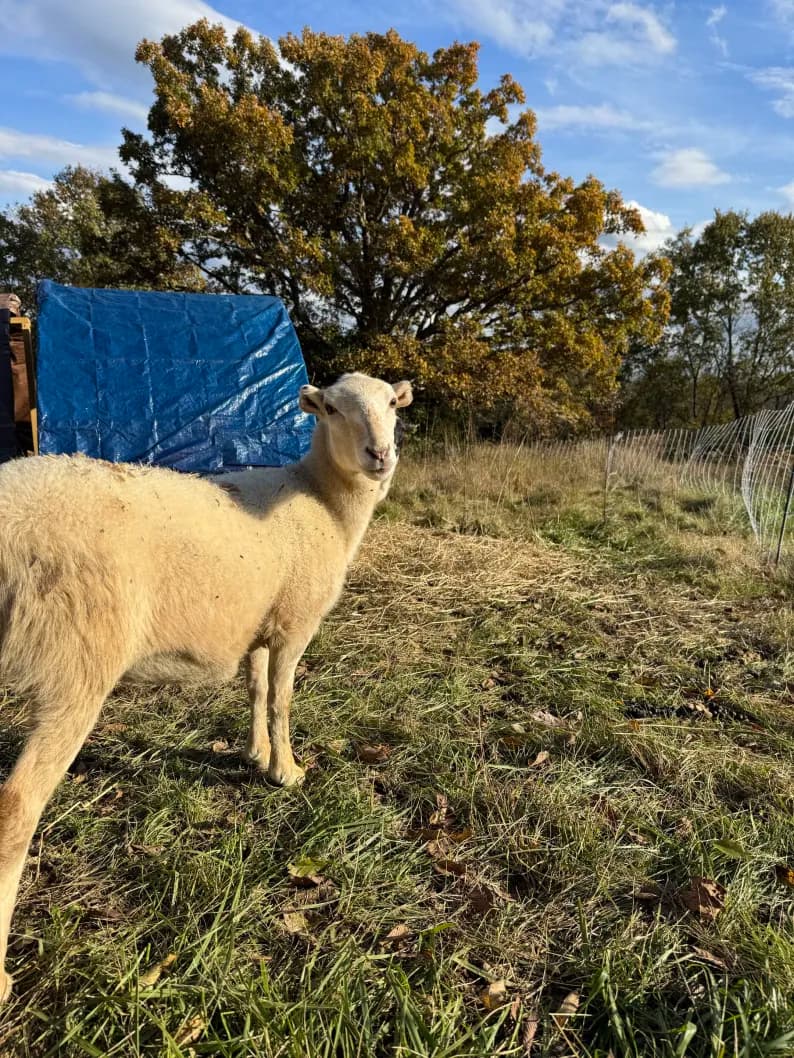
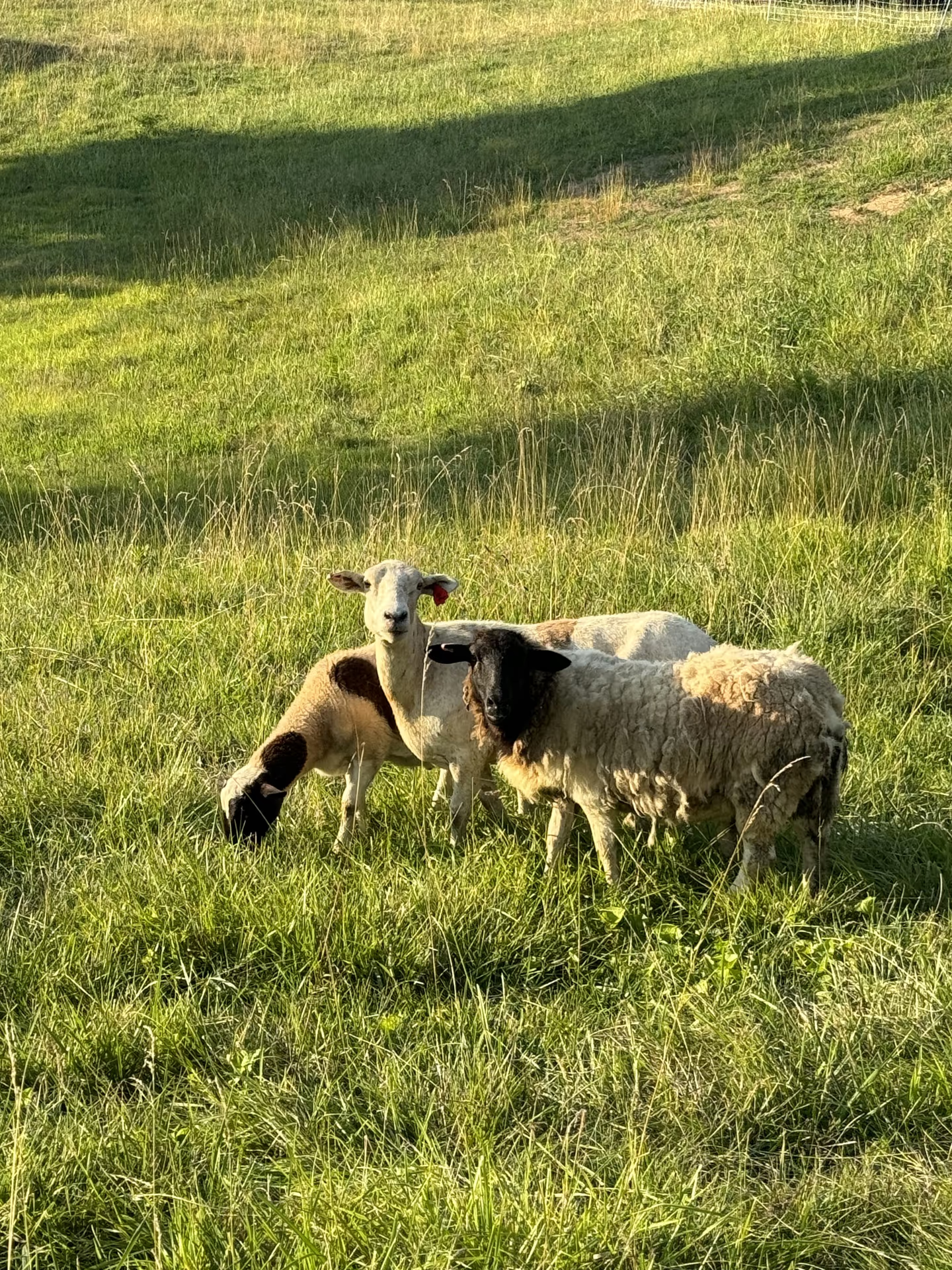
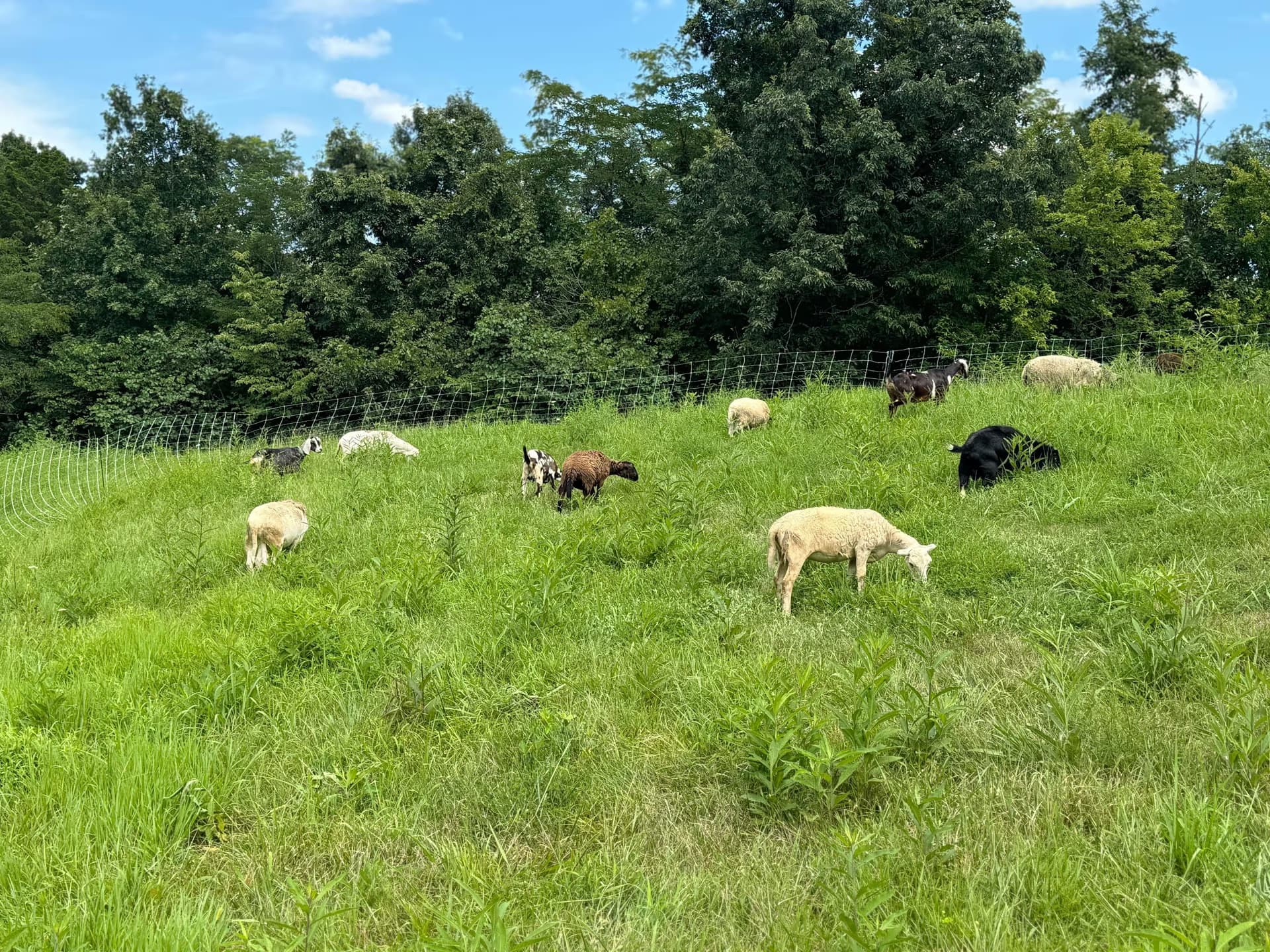
"Pasture-raised" isn't a single legally defined USDA term the way "organic" is — but in practice it describes animals that spend most or all of their lives outdoors on pasture, with room to move, forage, and behave the way that species naturally would. That's the standard we build our whole operation around. Our hogs root and forage in wooded paddocks. Our chickens rotate across fresh grass in mobile shelters. Our lambs graze open pasture on a rotational system. None of them live in confinement, and none of them stand on concrete.
Grass-Fed
"Grass-fed" is specific to ruminants — cattle, sheep, goats — and refers to diet, not living conditions. A grass-fed animal technically could still be raised in a feedlot as long as its diet is grass and forage rather than grain. It's a useful label, but it doesn't tell you anything about how the animal actually lived. Our lamb is both pasture-raised and about 95% grass-finished — the sheep nurse and graze on pasture, with a small grain boost every few days rather than a grain-heavy finishing diet. You get the diet claim and the living-conditions claim together, which is the combination that actually matters for flavor and welfare.
"Grass-fed" doesn't apply to pork or chicken at all — pigs and chickens are omnivores, not ruminants, and need some grain in their diet regardless of how they're raised. Anyone marketing "grass-fed pork" is either confused or being misleading.
Organic
USDA Organic is the most tightly regulated of these labels — it requires organic feed, no synthetic pesticides on pasture, no routine antibiotics or hormones, and third-party certification with annual inspections. It's a real, meaningful standard. It's also expensive to get and maintain, which is why a lot of small farms that follow organic-level practices don't carry the certification.
That's us. We're not certified organic — certification costs would eat into the margin we'd rather keep on pricing reasonable for the families who buy from us — but we follow the practices as closely as we can. We don't spray chemicals on our pastures, and we don't use unnecessary chemicals on our animals. The only exception is a treatment needed to save an animal's life, and in that case, we wouldn't sell that animal's meat at all.
Free-Range
This one's the loosest of the bunch. For poultry, USDA "free-range" only requires that birds have access to the outdoors — it says nothing about how much time they actually spend there, how much space is available, or what the outdoor area looks like. A "free-range" label on a package doesn't tell you much on its own.
What Actually Matters
Labels are a starting point, not the whole story — the USDA doesn't inspect every farm carrying an unregulated term like "pasture-raised," which is exactly why it's worth knowing who raised your food and how. We'd rather you skip the label reading altogether: see exactly how we raise our animals, come walk the pasture yourself, and judge for your own eyes instead of trusting a sticker.
Ready to taste the difference? Shop our pasture-raised pork, chicken, and lamb — order online for pickup or delivery, or find us at one of our local farmers markets.