The first time someone tries our pork, we can usually watch the moment it registers — a pause mid-bite, then some version of "wait, this doesn't taste like pork chops." It's one of our favorite things about this job. If your only reference point is a shrink-wrapped chop from the grocery store, pasture-raised pork is a genuinely different eating experience, and once you understand why, it's hard to go back.
It Starts With How the Hog Actually Lives
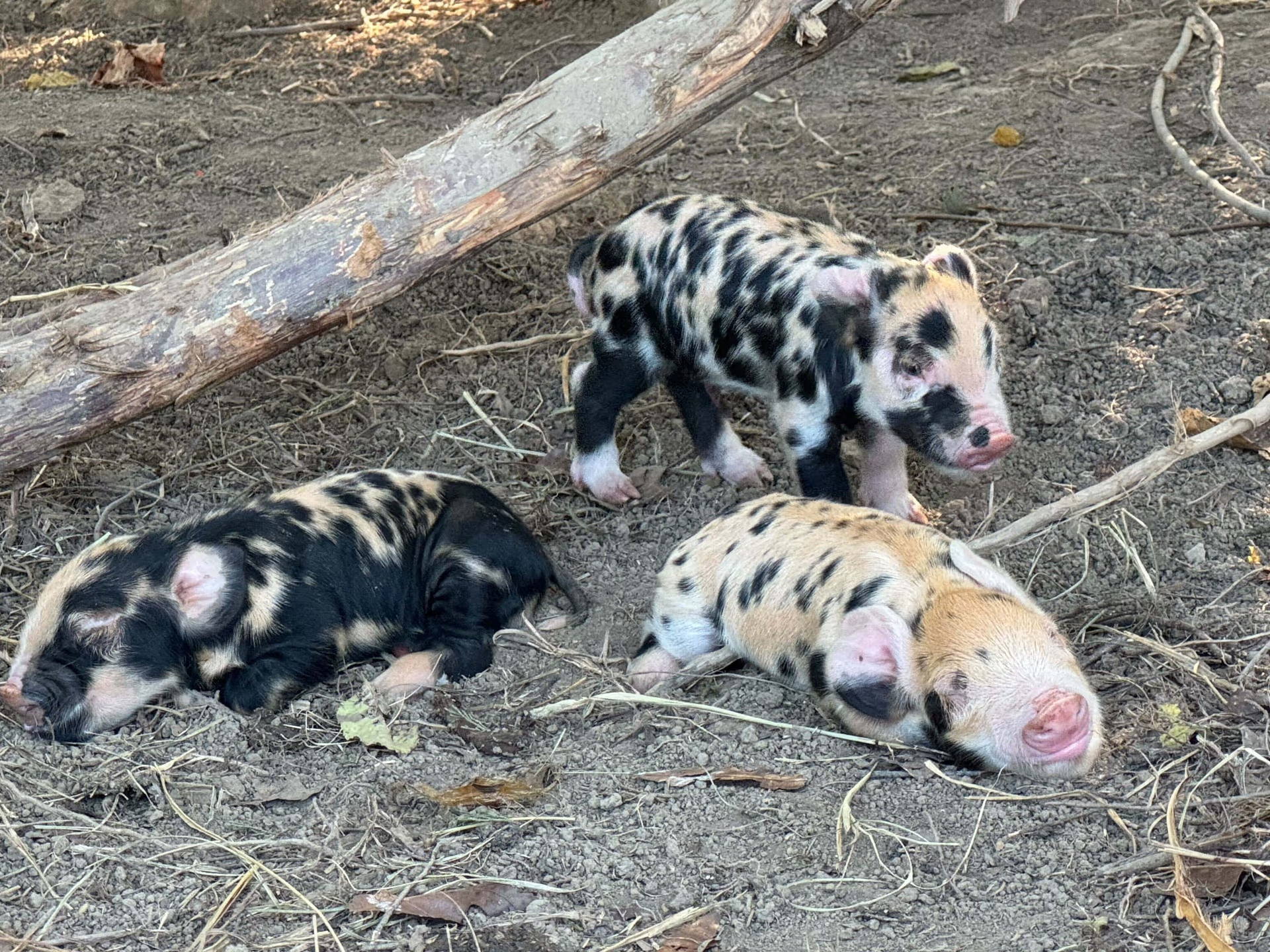
Commodity hogs are typically raised indoors on a controlled ration, bred and fed to grow fast and lean and nothing more. Our hogs live outdoors in wooded paddocks, where they spend their days rooting, foraging, and moving around — real exercise, a varied diet layered on top of their feed, and time to grow at a natural pace instead of being rushed. That combination is what builds marbling, the thin threads of fat woven through the muscle. Marbling is where flavor lives. It's the difference between a chop that's fine and a chop you actually think about the next day.
Slower growth also gives the muscle time to develop real texture. You'll notice it most in cuts like the shoulder and tenderloin — a firmer, meatier bite than pork from an animal that spent its life standing in one place.
Why It Cooks Differently — In a Good Way
Here's something most people don't know about grocery store pork: a lot of it is injected with a saline solution before packaging, to add weight. It's legal, and it's disclosed if you know where to look on the label, but it means part of what you're paying for is water — and that water is exactly why so many grocery store pork chops shrink dramatically in the pan and end up dry no matter how carefully you cook them.
Our pork isn't injected with anything. What you buy is what cooks, which means it holds its size, stays juicy, and reaches temperature a little faster than you might be used to. The only real adjustment is to trust a thermometer over habit — pull it a touch earlier than an old recipe suggests, and you'll land it perfectly. Once you've cooked it once, you'll know exactly what to expect every time after.
Why the Diet Matters
Pigs are omnivores, not grazers — pasture and forage round out their diet rather than replace it, which is why you'll never see an honest "grass-fed pork" claim anywhere (pigs need grain no matter how they're raised). What pasture changes is everything else: real exercise, lower stress, a varied diet, and time to grow the way a hog is supposed to. All of that shows up on the plate.
Getting the Most Out of It
Simple is best here. Salt, pepper, and a hot pan let the meat do the talking — and don't be shy about the fat. It renders into some of the best flavor on the plate, so baste with it, crisp it, or just leave it on through cooking instead of trimming it away.
Try It Yourself
Shop our pasture-raised pork — chops, tenderloin, ground pork, bacon, and more — for farm pickup, market pickup, or local delivery. Looking for something more specific to cook? Browse our pork recipes for ideas built around each cut, or read more about how our hogs are raised day to day.